

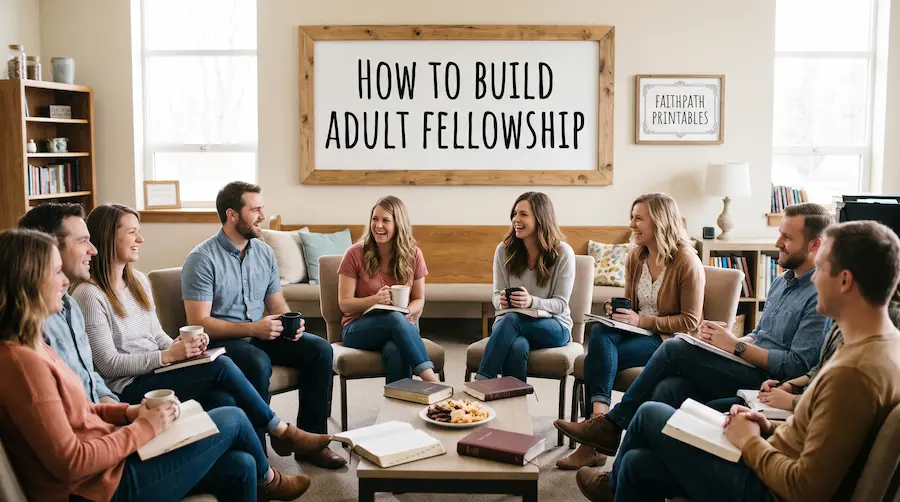
Discovering how to build adult fellowship in church gatherings turns a routine weekly meeting into a supportive community. Many adults attend church regularly but still feel disconnected from meaningful relationships. Leading an engaging Bible study does not require a seminary degree or expert knowledge.
You simply need practical tools to foster warm conversations and genuine connection. Creating intentional space for interaction transforms quiet spectators into active family members.
Shift from Lecture to Guided Discussion
Fellowship flourishes when members actively participate rather than passively listen to a lecture. Your primary goal as a facilitator is guiding the conversation, not delivering a sermon. Listening well creates an environment where participants feel valued and heard.
Ask open-ended questions that encourage members to share personal insights and reflections. When someone asks a tough theological question, toss it back to the room for discussion. This approach takes pressure off you while inviting everyone to contribute. It helps quiet participants realize their perspectives matter to the group.
Create Intentional Time for Personal Sharing
Biblical fellowship requires more than just reading Scripture text together. Adults need dedicated space to share life updates, prayer requests, and personal struggles. Real community forms when members feel safe enough to drop their daily masks.
The Three Pillars of Adult Fellowship
- Open Dialogue: Focus on open questions over sermon lectures
- Intentional Care: Dedicate 20+ minutes to prayer & life updates
- Outside Binding: Connect over shared meals and service projects
Structure your meeting time so at least twenty minutes are reserved for prayer and catching up. Encourage members to listen actively without trying to instantly fix every problem shared. Consistent prayer support builds deep emotional security among group members.
Facilitate Equal Participation
In any small group, confident speakers naturally dominate unless you actively manage the room. Creating healthy fellowship means making space for quieter members to speak comfortably. Balancing participation ensures no single voice controls the direction of the conversation.
| Leader Action | Group Impact | Fellowship Outcome |
| Ask Open Questions | Invites multiple viewpoints | Deeper group engagement |
| Validate Responses | Builds personal confidence | Safer sharing environment |
| Set Time Limits | Prevents single-person dominance | Balanced member participation |
Use gentle redirection if one person talks too long. You can say, “Let’s hear what someone else thinks about this passage.” This keeps the conversation balanced and welcoming for everyone. It shows every participant that their contribution carries equal weight.
Connect Outside the Weekly Meeting
Strong fellowship grows when members spend time together outside the formal classroom setting. Plan simple social events like a shared weekend meal or a casual coffee meetup. Meeting informally helps people build friendships without the structure of a study guide.
Serving together on a church service project also bonds group members quickly. Working side by side builds trust that translates directly back into your weekly Bible study sessions. Shared experiences create lasting memories that strengthen spiritual ties.
Building strong adult fellowship takes patience, consistent care, and humble leadership. You do not need all the answers to lead a meaningful Bible study group.
By focusing on open questions, active listening, and authentic community, you create an environment where adult faith thrives. Faithful leadership produces a vibrant community grounded in God’s love.
Download a free sample Sunday school curriculum bundle here and find everything you need to support your students this week.

